
Choosing a reliable boiler supplier in Malaysia is critical for ensuring safety, regulatory compliance, and long-term operating efficiency. Industrial boilers are classified as pressure equipment and regulated by the Department of Occupational Safety and Health Malaysia under the Occupational Safety and Health Act 1994 and the latest 2024 regulations.
A competent boiler supplier does more than provide equipment. They ensure proper system design, manage compliance requirements, support inspection processes, and deliver systems that operate safely under pressure throughout their lifecycle.
What Makes a Reliable Boiler Supplier in Malaysia
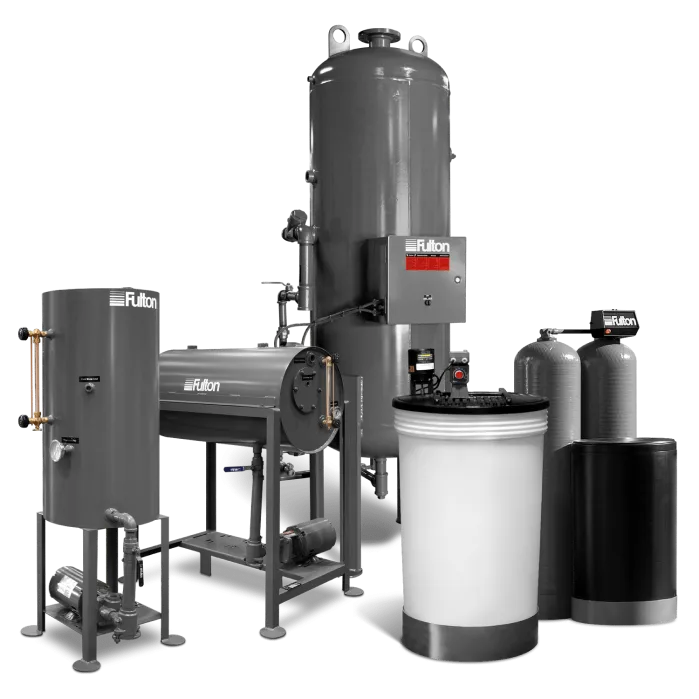
Selecting the right industrial boiler supplier requires evaluating both technical capability and real-world experience.
Proven Industrial Experience
A reliable supplier should have completed projects across industries such as manufacturing, food processing, and healthcare. This demonstrates their ability to handle real operational conditions and process demands.
Engineering and Technical Capability
A qualified supplier must be able to:
- Properly size the boiler based on actual demand
- Design piping, fuel supply, and control systems
- Ensure compatibility with existing plant operations
Poor engineering design often results in inefficiency, instability, and higher operating costs.
Regulatory Knowledge
Familiarity with procedures from the Department of Occupational Safety and Health Malaysia is essential. This includes:
- Documentation submission
- Inspection coordination
- Approval processes
Lack of regulatory understanding frequently leads to delays or failed approvals.
After-Sales Support Structure
Reliable boiler suppliers in Malaysia provide:
- Local technical support teams
- Spare parts availability
- Fast response times
Without proper support, downtime and safety risks increase significantly.
DOSH Requirements for Boilers in Malaysia
Industrial boilers must comply with strict legal requirements before they can be operated.
Design Approval
Boiler systems must follow recognised engineering standards and include complete technical documentation for approval.
Registration with DOSH
Each boiler must be registered with the Department of Occupational Safety and Health Malaysia prior to operation.
Certificate of Fitness (CF): What You Must Know
A valid Certificate of Fitness (CF) is mandatory before any boiler can be used.
The CF confirms that:
- The boiler has been inspected
- It meets safety requirements
- It is safe to operate under pressure
Periodic Inspection
Boilers must undergo scheduled inspections to maintain certification status.
Risks of Non-Compliance
Failure to comply can result in:
- Delayed commissioning
- Legal penalties
- Forced shutdown of operations
A reliable boiler supplier in Malaysia will manage these processes to ensure smooth approval and operation.
Engineering Standards (ASME and Others)
Engineering standards determine the safety, durability, and regulatory acceptance of boiler systems.
Recognised Standards
The American Society of Mechanical Engineers Boiler and Pressure Vessel Code (BPVC) is widely used in the industry. While not legally mandated in Malaysia, it is commonly accepted as a benchmark for:
- Design
- Materials
- Fabrication
- Inspection and testing
Material Traceability and Welding Quality
A reliable supplier ensures:
- Certified materials are used
- Welding procedures are properly qualified
- Documentation is complete and traceable
Quality Management Systems
ISO-based systems help maintain consistency in manufacturing and documentation.
Using recognised standards simplifies regulatory approval and reduces operational risk.
System Integration: Why It Matters
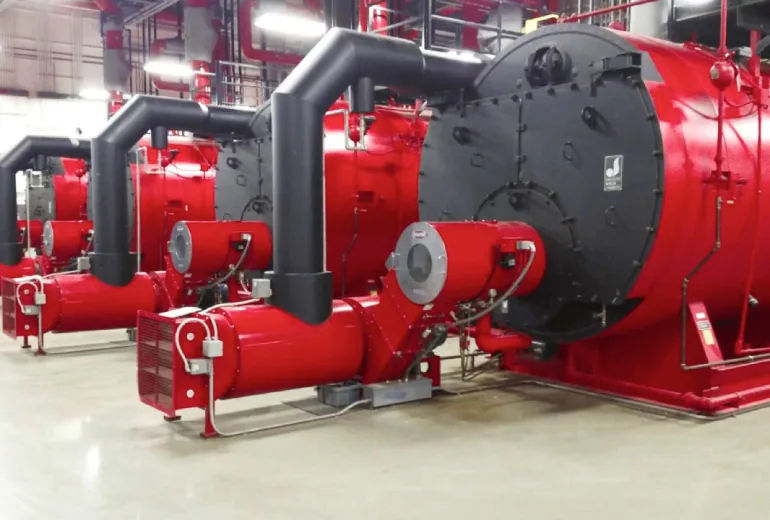
A boiler should never be treated as a standalone unit. Its performance depends on how well it integrates with the overall system.
Steam or Hot Water Distribution
Proper pipe sizing and insulation reduce heat loss and pressure drop.
Fuel System Design
Correct burner configuration ensures stable and efficient combustion.
Control and Automation Systems
Automated systems regulate:
- Pressure
- Temperature
- Load demand
Poor control leads to instability and energy waste.
Heat Recovery Systems
- Economisers recover heat from flue gas
- Condensate recovery improves energy efficiency
An experienced boiler supplier in Malaysia will optimise the entire system, not just the boiler.
Installation and Commissioning Risks
Even a well-designed boiler system can fail if installation and commissioning are not properly executed.
Mechanical Installation
Correct alignment, piping, and structural support are essential to handle pressure and thermal expansion.
Instrumentation and Safety Devices
Safety components must be:
- Properly installed
- Calibrated
- Fully functional
Functional Testing
This includes:
- Pressure testing
- Burner tuning
- Control system verification
Documentation for Inspection
All reports and documentation must be prepared for submission to the Department of Occupational Safety and Health Malaysia.
Errors at this stage can lead to:
- System leakage
- Pressure instability
- Failure to obtain Certificate of Fitness
After-Sales Support and Maintenance

Boiler systems require continuous maintenance to ensure safe and efficient operation.
Preventive Maintenance
Routine inspection of:
- Pressure components
- Burners
- Control systems
Spare Parts Availability
Fast access to components reduces downtime.
Technical Troubleshooting
Experienced technicians are required to diagnose and resolve issues effectively.
Performance Monitoring
Regular checks help maintain efficiency and compliance.
Ongoing maintenance is essential to meet regulatory requirements and extend system lifespan.
How to Reduce Boiler Operating Costs
Energy consumption is one of the largest operational costs for industrial boilers.
Combustion Efficiency
Optimising the air-to-fuel ratio improves fuel utilisation and reduces emissions.
Heat Recovery Systems
Economisers capture waste heat to improve efficiency.
Condensate Recovery
Reusing hot condensate reduces energy required for steam generation.
System Insulation
Proper insulation minimises heat loss across piping and equipment.
An experienced boiler supplier in Malaysia evaluates these factors to reduce total lifecycle cost, not just initial investment.
Common Mistakes When Choosing a Boiler Supplier
Avoid these common errors:
- Focusing only on upfront cost
- Ignoring regulatory requirements
- Choosing suppliers without local support
- Overlooking system design and integration
- Not planning for long-term maintenance
These mistakes often lead to higher costs, operational issues, and safety risks.
Looking for a Reliable Boiler Supplier in Malaysia?
At ATESB, we provide:
- DOSH-compliant boiler systems
- Full engineering design and installation
- Support for Certificate of Fitness (CF) approval
- Preventive maintenance and after-sales service
Contact our team today to discuss your industrial boiler requirements and ensure a safe, compliant, and efficient system.
Conclusion
Choosing the right boiler supplier Malaysia requires careful evaluation of engineering capability, regulatory expertise, system integration, and long-term support.
A reliable supplier does more than deliver equipment. They ensure the system is properly designed, installed, and maintained in compliance with requirements set by the Department of Occupational Safety and Health Malaysia.
By working with an experienced partner, businesses can ensure safe operation, smooth regulatory approval, and consistent performance throughout the boiler’s lifecycle.
Frequently Asked Questions (FAQs)
What certifications are required for industrial boilers in Malaysia?
Boilers must be registered with the Department of Occupational Safety and Health Malaysia and obtain a valid Certificate of Fitness before operation. This includes design approval, inspection, and supporting documentation.
How long does it take to get a boiler approved in Malaysia?
Approval timelines vary depending on design complexity and documentation. Working with an experienced boiler supplier in Malaysia helps reduce delays and ensures smoother coordination with authorities.
Why is ASME standard important for boilers?
The American Society of Mechanical Engineers BPVC provides internationally recognised guidelines for boiler design and safety. While not mandatory, it is widely accepted and helps with regulatory approval.
What should I check in after-sales support?
Evaluate the availability of local technicians, spare parts, and response time. Strong after-sales support ensures minimal downtime and safe operation.
How can I reduce boiler operating costs?
Improve combustion efficiency, install heat recovery systems, implement condensate recovery, and maintain proper insulation. Regular maintenance also plays a key role.