


Ancillary Equipment
A steam boiler is just one component of a well-designed steam system. To ensure durability, reliability and optimal performance, every system requires complementary equipment including condensate collection, blowdown water handling and comprehensive water treatment processes.
Maximizing boiler efficiency demands high-quality ancillary equipment working in unison. ATE provides essential components including:
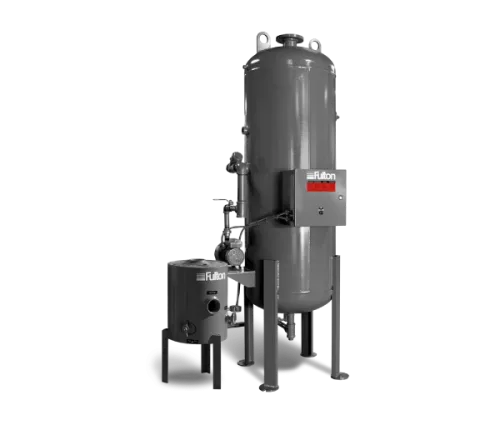
- Blowdown Tanks for safe pressure release
- Feedwater Systems for consistent water supply
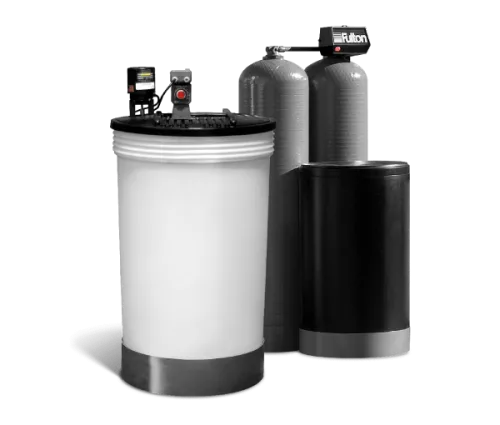
- Advanced Water Treatment Solutions to prevent scale, corrosion and thermal shock
Many steam applications are unique and require specific accessories engineered to meet individual customer needs. As a Fulton partner, ATE supplies ancillary equipment manufactured to the same exacting standards as Fulton boilers, protecting your investment and ensuring long-term system reliability.

Frequently Asked Questions (FAQs)
How does a feedwater system improve boiler efficiency?
Feedwater systems pre-heat and de-aerate water before it enters the boiler. By removing dissolved gases and raising the water temperature, these systems prevent thermal shock and oxygen-related corrosion, leading to smoother boiler operation, reduced fuel consumption and a significantly longer lifespan for the entire system.
What are the signs that my boiler needs better water treatment?
The most common signs are scale buildup on tubes and reduced heat transfer. If you notice a spike in fuel costs or frequent overheating, your water treatment system may be failing to remove minerals, leading to deposits that act as insulators and force the boiler to work harder.
Can ATE customize ancillary systems for existing boiler setups?
Yes, ATE specializes in engineering ancillary solutions tailored to your specific plant layout. Whether you need a high-capacity feedwater tank or a specialized water softener, their engineers design components that integrate perfectly with your current boiler, ensuring maximized efficiency and minimal disruption to your operations.
How often should water treatment chemicals be checked?
Water chemistry should be monitored daily to ensure optimal protection. Regular testing allows you to adjust chemical dosing in response to fluctuations in raw water quality, preventing scale and corrosion before they cause damage, which is vital for maintaining the high performance of industrial heating systems.