


Thermal Fuel Heater
With decades of thermal fluid engineering experience, Fulton designs and manufactures superior thermal fluid heater (hot oil) systems capable of reaching temperatures up to 750°F (345°C). These systems are ideal for process heat applications across food, chemical and pharmaceutical processing industries.
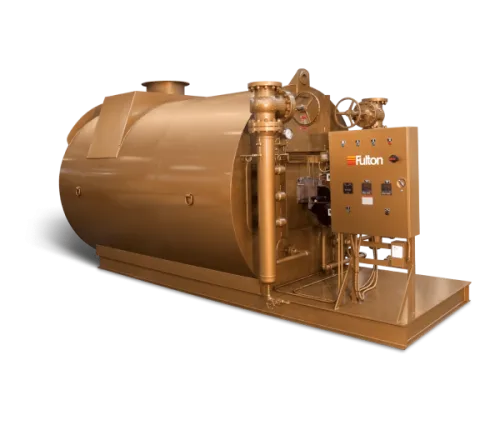
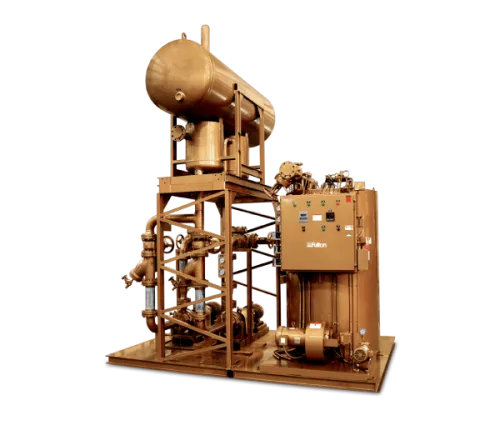
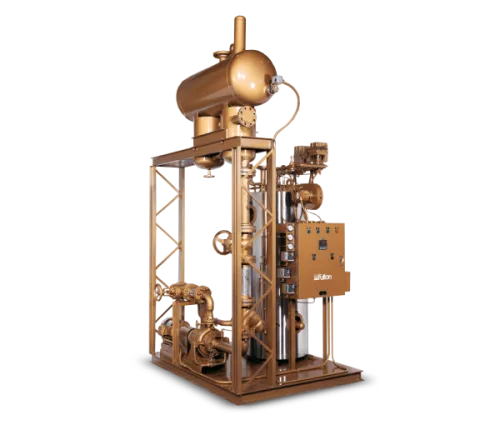
ATE provides industry-leading thermal fluid heaters including the Alliance (3-pass horizontal), FT-C (Vertical Coil) and FT-A (Vertical Tubeless) models. Delivering high-temperature process heat at low pressures, these systems offer a safer and more efficient alternative to high-pressure steam for Selangor’s chemical and manufacturing sectors.
Frequently Asked Questions (FAQs)
What is the benefit of the Alliance 3-pass design?
The Alliance horizontal 3-pass design maximizes heat absorption by forcing combustion gases to travel through the heater three times. This ensures the highest possible thermal efficiency and lower exhaust temperatures, resulting in reduced fuel consumption and a smaller carbon footprint for your thermal oil heating system.
How does the FT-A vertical tubeless heater prevent failures?
The FT-A’s tubeless design eliminates the risk of coil burnout or tube failure caused by flow imbalances. By utilizing a robust heat-transfer chamber, it provides a highly reliable and durable solution for applications where process downtime must be avoided at all costs, ensuring consistent heat for your facility.
Does thermal oil need to be replaced frequently?
With proper system design and filtration, thermal oil can last many years. ATE recommends regular oil analysis to check for oxidation or thermal cracking. By maintaining the oil’s integrity, you ensure efficient heat transfer and prevent sludge buildup that can damage the heater and circulating pumps.
What safety features are included in ATE thermal fluid systems?
ATE systems include low-flow switches, high-temperature limits and expansion tank level sensors. These safety interlocks ensure that the burner shuts down immediately if oil flow is interrupted or if temperatures exceed safe limits, preventing equipment damage and ensuring a safe working environment in your Selangor plant.